When you think of a gift basket, you might picture a charming arrangement of goodies wrapped in a pretty paper, a quick way to say “thank you” or “congratulations.” In Australia, these baskets are a popular choice for birthdays, anniversaries, and corporate gifts. Yet, many Australians have noticed that the typical basket feels more like a throwaway, plastic‑laden item than a sustainable present. Why are Australian gift baskets for women not eco-friendly and how to find eco‑friendly options? This article will explain the environmental pitfalls of conventional baskets, unpack the hidden costs, and guide you to greener alternatives that still wow your recipient.
The Eco‑Footprint of Conventional Gift Baskets
Materials that Matter
The first thing that jumps out is the packaging. Most commercial baskets use:
- Plastic wrap or cling film to keep items together Synthetic paper or kraft paper treated with glossy coatings Plastic or faux‑wood baskets that are not biodegradable
These components add up quickly. For instance, a single basket can contain 50 g of plastic, a figure that seems negligible but multiplies when you consider the thousands of baskets shipped across the country each year. The waste ends up in landfills or, worse, in the ocean, where it can take centuries to break down.
Energy‑Intensive Production
The production of plastic and coated paper is energy‑intensive. From the extraction of petroleum for plastics to the bleaching of paper pulp, the process emits significant amounts of CO₂. In Australia, where the average household carbon footprint is already high, adding another layer of unsustainable packaging can feel like a double‑handed apology to the planet.
The “Disposable” Mindset
Gift baskets are often seen as a one‑time use item. After the recipient enjoys the contents, the basket itself is discarded. This mindset ignores the potential for reusability. A reusable basket could be repurposed as a storage bin, a decorative centerpiece, or even a planter. Unfortunately, most commercially available baskets are not designed for such longevity.

The Human Side: How the Environment Feels About Your Choice
When you open a gift basket, you might not think about the journey of that plastic wrapper. But imagine a small island community where plastic waste accumulates on beaches, affecting marine life and tourism. That’s the real cost of an everyday gift. The environmental impact is a silent, invisible weight that sits on your conscience.
> “Choosing a greener gift isn’t just a choice for the planet; it’s a statement of care for the people who will eventually share that gift.” – Eco‑Lifestyle Magazine
Rhetorical Questions to Ponder
- What if the basket you give could be used again, or better yet, turned into something beautiful in its own right? How much more meaningful would a gift be if it came with a story of sustainability? Could you reduce your own carbon footprint by simply choosing a different type of basket?
These questions help frame the decision: it’s not just about the gift itself, but the legacy you leave behind.
Finding Eco‑Friendly Gift Basket Alternatives
1. Look for Reusable Containers
Instead of plastic or faux‑wood baskets, opt for:
- Sturdy bamboo baskets that are biodegradable and strong Glass or ceramic jars that can double as storage containers Fabric totes that can be washed and reused
When selecting a container, consider the following:
- Material durability: Will it survive multiple uses? Ease of cleaning: Can it be washed without special care? Aesthetic appeal: Does it match the style of the recipient?
2. Choose Organic or Locally Sourced Fillers
The items inside the basket can also make a big difference. Look gift hampers for her for:
- Fair‑trade chocolates that support ethical production Organic teas or coffees from local roasters Hand‑made soaps or lotions with natural ingredients
By supporting local producers, you cut down on transportation emissions and give the community a boost.
3. Opt for Minimalist Packaging
Some brands are embracing a “less is more” philosophy:
- No plastic wrap: Use natural fibers like jute or hemp to secure items Recycled paper: Ensure the paper is 100 % post‑consumer waste No glossy coatings: Plain kraft paper is both eco‑friendly and stylish
4. DIY the Basket
If you’re crafty, consider making your own basket. Gather items like:
- A sturdy wooden crate or a repurposed wooden pallet Natural dyes or paint for a personal touch A selection of gifts that align with your recipient’s interests
A handmade basket carries a personal story, and the process itself can be a fun bonding activity.
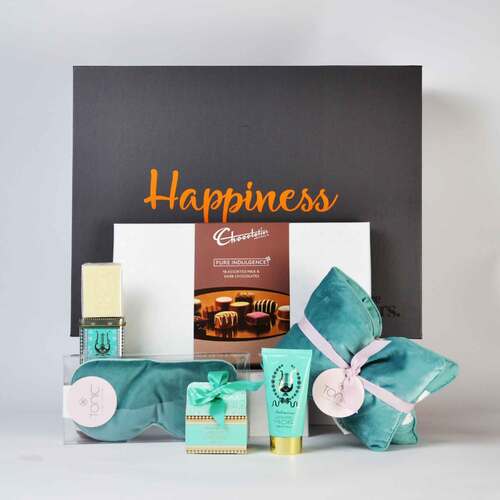
5. Check for Certifications
Look for labels such as:
- B Corp certification indicating social and environmental responsibility Fair Trade for products that support ethical labor practices Eco‑Label or Carbon Neutral tags for packaging materials
These certifications give you confidence that the product meets high sustainability standards.
The Bottom Line: A Greener Gift, A Greener Future
When you ask yourself why are Australian gift baskets for women not eco-friendly and how to find eco-friendly options? the answer lies in the materials, production methods, and cultural attitudes that shape the industry. By making conscious choices—selecting reusable containers, sourcing local and organic products, and supporting brands with transparent sustainability practices—you can transform a simple gift into a statement of care for both people and planet.
The next time you shop for a gift basket, imagine it as a seed that can grow into a lasting relationship, not a disposable ornament. Your recipient will appreciate the thoughtfulness, and the Earth will thank you.
> “A small change in the way we give can ripple into a world of difference.” – Sustainability Advocate
So go ahead, pick that eco‑friendly basket, and let the gift of kindness and responsibility bloom.